
Nascode Blogs
The Power of Nostalgia Marketing: A Guide for Modern Brands
By
www.cmswire.com
•08 August, 2024
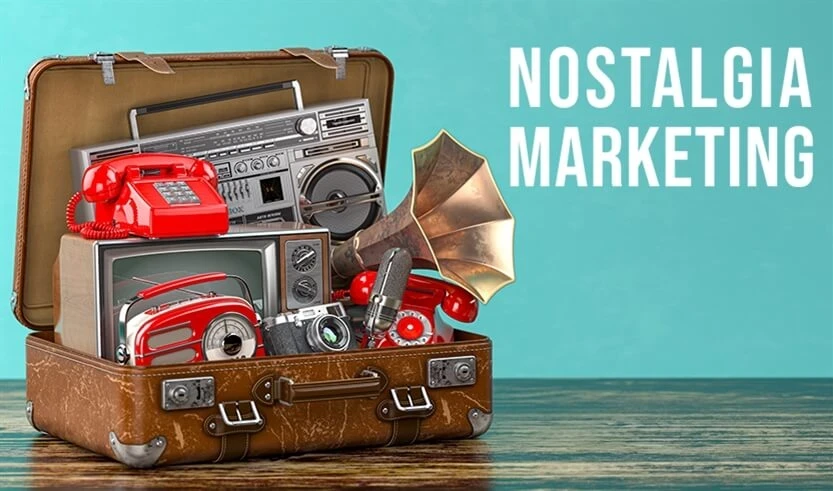
The Power of Nostalgia Marketing: A Guide for Modern Brands
Remember the thrill of unwrapping your first gaming console? The taste of your favorite childhood snack? The jingle of an ice cream truck on a hot summer day? These memories aren't just personal treasures; they're powerful marketing tools. Welcome to the world of nostalgia marketing – a strategy that taps into the emotions associated with the past to create powerful connections with consumers in the present.
Why Nostalgia Marketing Works?
Nostalgia marketing isn't just about reminiscing; it's rooted in psychology. When we experience nostalgia, our brains release dopamine, the 'feel-good' neurotransmitter. This positive emotional response creates a warm, fuzzy feeling that brands can leverage to build stronger connections with their audience.
Moreover, in times of uncertainty or stress, people tend to se
Remember the thrill of unwrapping your first gaming console? The taste of your favorite childhood snack? The jingle of an ice cream truck on a hot summer day? These memories aren't just personal treasures; they're powerful marketing tools. Welcome to the world of nostalgia marketing – a strategy that taps into the emotions associated with the past to create powerful connections with consumers in the present.
Why Nostalgia Marketing Works?
Nostalgia marketing isn't just about reminiscing; it's rooted in psychology. When we experience nostalgia, our brains release dopamine, the 'feel-good' neurotransmitter. This positive emotional response creates a warm, fuzzy feeling that brands can leverage to build stronger connections with their audience.
Moreover, in times of uncertainty or stress, people tend to se

ek comfort in familiar experiences and products. Nostalgia provides a sense of stability and continuity, making it particularly effective in challenging times.
Benefits of Nostalgia Marketing for Brands
1. Emotional Connection: Nostalgia creates a deep emotional bond between the brand and consumer.
2. Increased Engagement: Nostalgic content often sees higher engagement rates on social media.
3. Brand Loyalty: Positive associations from the past can translate into brand loyalty in the present.
4. Premium Pricing: Consumers are often willing to pay more for products that evoke cherished memories.
5. Cross-Generational Appeal: Well-executed nostalgia campaigns can appeal to multiple age groups simultaneously.
Examples of Successful Nostalgia Marketing Campaigns
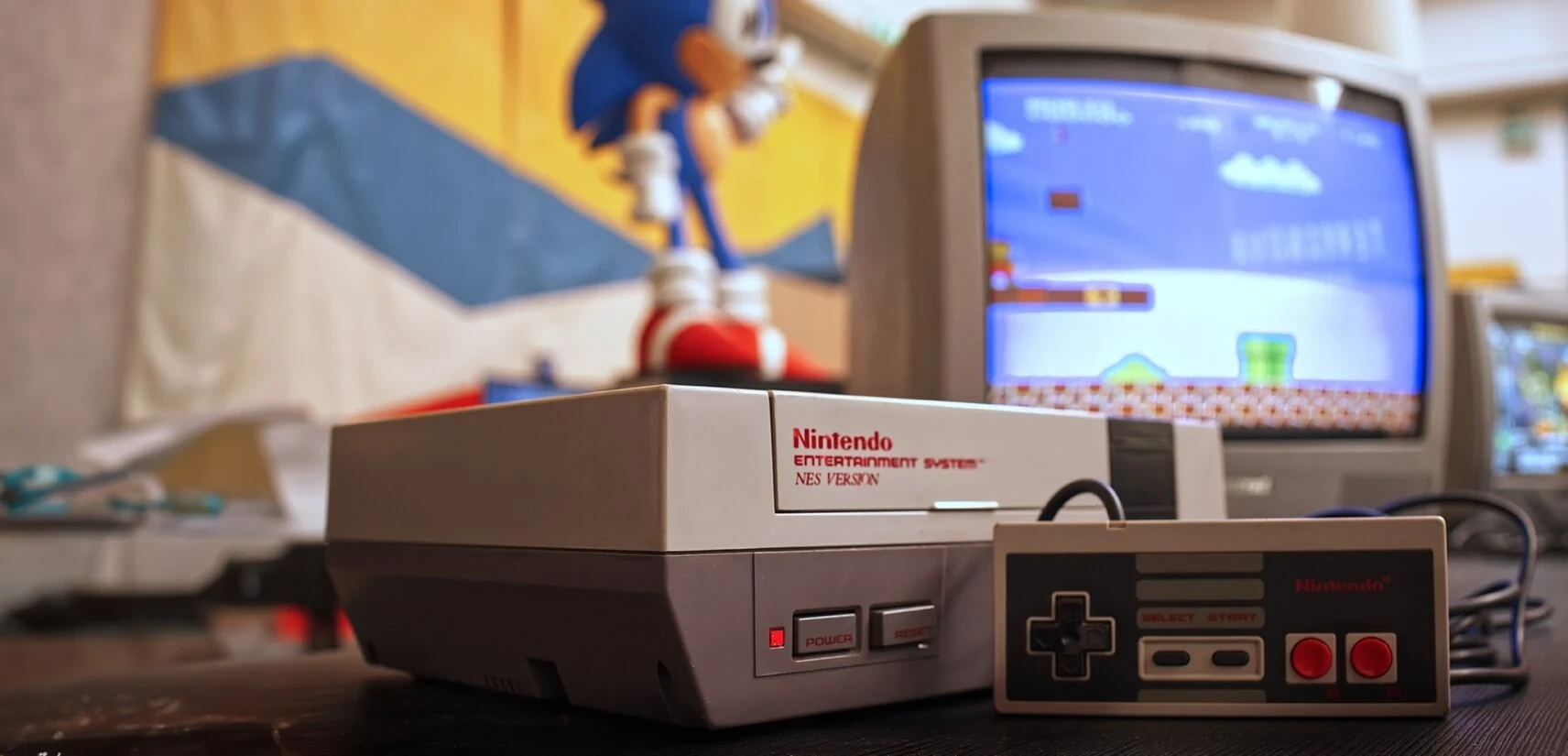
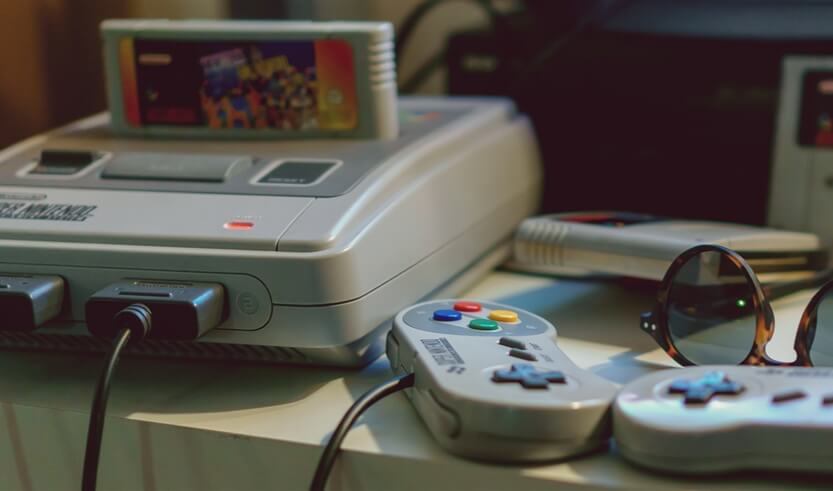
1. Nintendo's NES and SNES Classic Editions: These miniature versions of beloved consoles tapped into gamers' nostalgia, selling out rapidly upon release.
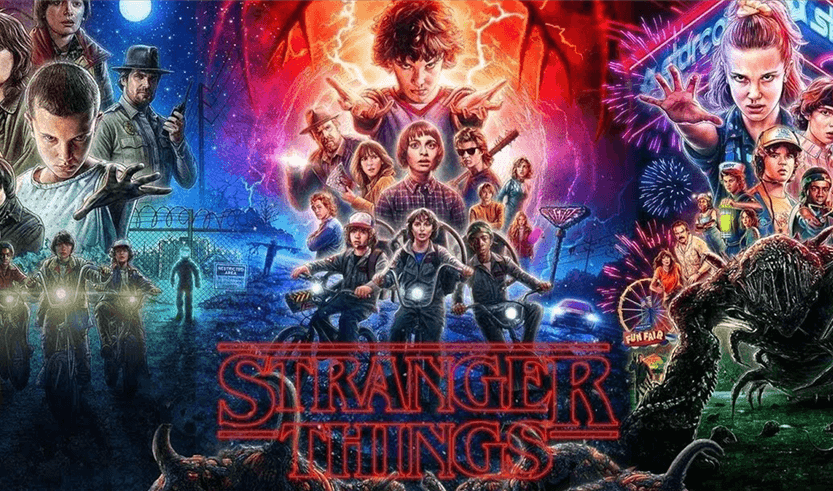
2. Stranger Things on Netflix: The show's 1980s setting sparked a wave of nostalgia-driven marketing collaborations.
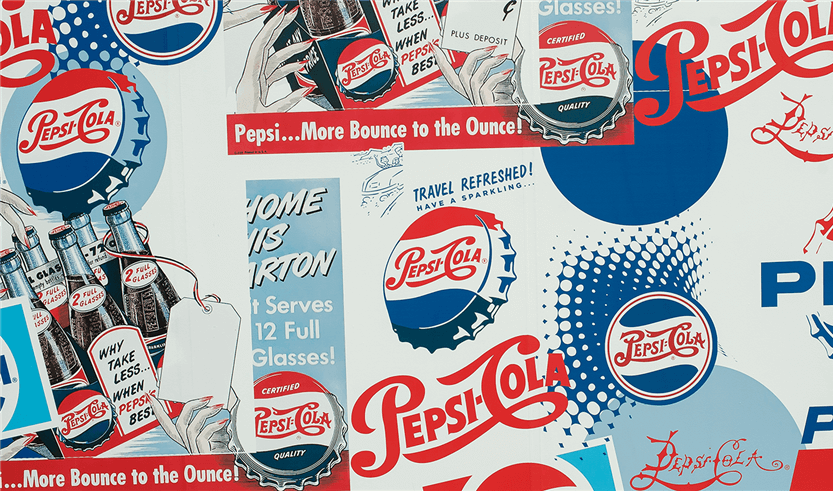
3. Pepsi's "Pepsi Generations" Campaign: This campaign celebrated the brand's role in pop culture across different eras.
4. Pokemon Go: The mobile game reignited the Pokemon craze among both new and old fans.
How to Implement Nostalgia Marketing Effectively
1. Know Your Audience: Understand what era resonates with your target demographic.
2. Authenticity is Key: Ensure your nostalgic elements are genuine and align with your brand values.
3. Modernize the Past: Blend nostalgic elements with contemporary features or technology.
4. Use Multi-Sensory Approaches: Incorporate visual, auditory, and even olfactory cues to trigger memories.
5. Leverage User-Generated Content: Encourage customers to share their own nostalgic experiences related to your brand.
Potential Pitfalls to Avoid
1. Overdoing It: Too much nostalgia can make your brand seem outdated.
2. Neglecting Younger Audiences: Ensure your nostalgia marketing doesn't alienate consumers who don't share those memories.
3. Mismatched Nostalgia: Avoid referencing eras or cultural elements that don't align with your brand or product.
4. Copyright Issues: Be cautious when using retro imagery or references to avoid legal complications.
The Future of Nostalgia Marketing
As we move forward, nostalgia marketing will continue to evolve. With millennials entering their 30s and 40s, we're likely to see more 90s and early 2000s references in marketing campaigns. Additionally, the rapid pace of technological change means that even recent past can evoke nostalgia, opening up new opportunities for brands to connect with younger audiences.
In conclusion, nostalgia marketing, when done right, offers a powerful way for brands to create emotional connections with their audience. By understanding the psychology behind nostalgia, learning from successful campaigns, and implementing strategies thoughtfully, brands can leverage the past to drive future success.
Benefits of Nostalgia Marketing for Brands
1. Emotional Connection: Nostalgia creates a deep emotional bond between the brand and consumer.
2. Increased Engagement: Nostalgic content often sees higher engagement rates on social media.
3. Brand Loyalty: Positive associations from the past can translate into brand loyalty in the present.
4. Premium Pricing: Consumers are often willing to pay more for products that evoke cherished memories.
5. Cross-Generational Appeal: Well-executed nostalgia campaigns can appeal to multiple age groups simultaneously.
Examples of Successful Nostalgia Marketing Campaigns
1. Nintendo's NES and SNES Classic Editions: These miniature versions of beloved consoles tapped into gamers' nostalgia, selling out rapidly upon release.
2. Stranger Things on Netflix: The show's 1980s setting sparked a wave of nostalgia-driven marketing collaborations.
3. Pepsi's "Pepsi Generations" Campaign: This campaign celebrated the brand's role in pop culture across different eras.
4. Pokemon Go: The mobile game reignited the Pokemon craze among both new and old fans.
How to Implement Nostalgia Marketing Effectively
1. Know Your Audience: Understand what era resonates with your target demographic.
2. Authenticity is Key: Ensure your nostalgic elements are genuine and align with your brand values.
3. Modernize the Past: Blend nostalgic elements with contemporary features or technology.
4. Use Multi-Sensory Approaches: Incorporate visual, auditory, and even olfactory cues to trigger memories.
5. Leverage User-Generated Content: Encourage customers to share their own nostalgic experiences related to your brand.
Potential Pitfalls to Avoid
1. Overdoing It: Too much nostalgia can make your brand seem outdated.
2. Neglecting Younger Audiences: Ensure your nostalgia marketing doesn't alienate consumers who don't share those memories.
3. Mismatched Nostalgia: Avoid referencing eras or cultural elements that don't align with your brand or product.
4. Copyright Issues: Be cautious when using retro imagery or references to avoid legal complications.
The Future of Nostalgia Marketing
As we move forward, nostalgia marketing will continue to evolve. With millennials entering their 30s and 40s, we're likely to see more 90s and early 2000s references in marketing campaigns. Additionally, the rapid pace of technological change means that even recent past can evoke nostalgia, opening up new opportunities for brands to connect with younger audiences.
In conclusion, nostalgia marketing, when done right, offers a powerful way for brands to create emotional connections with their audience. By understanding the psychology behind nostalgia, learning from successful campaigns, and implementing strategies thoughtfully, brands can leverage the past to drive future success.





Link copied to clipboard!
