Nascode Blogs
The 7 Technology Trends For 2027 Everyone Must Prepare For Now
Forbes
•29 September, 2026
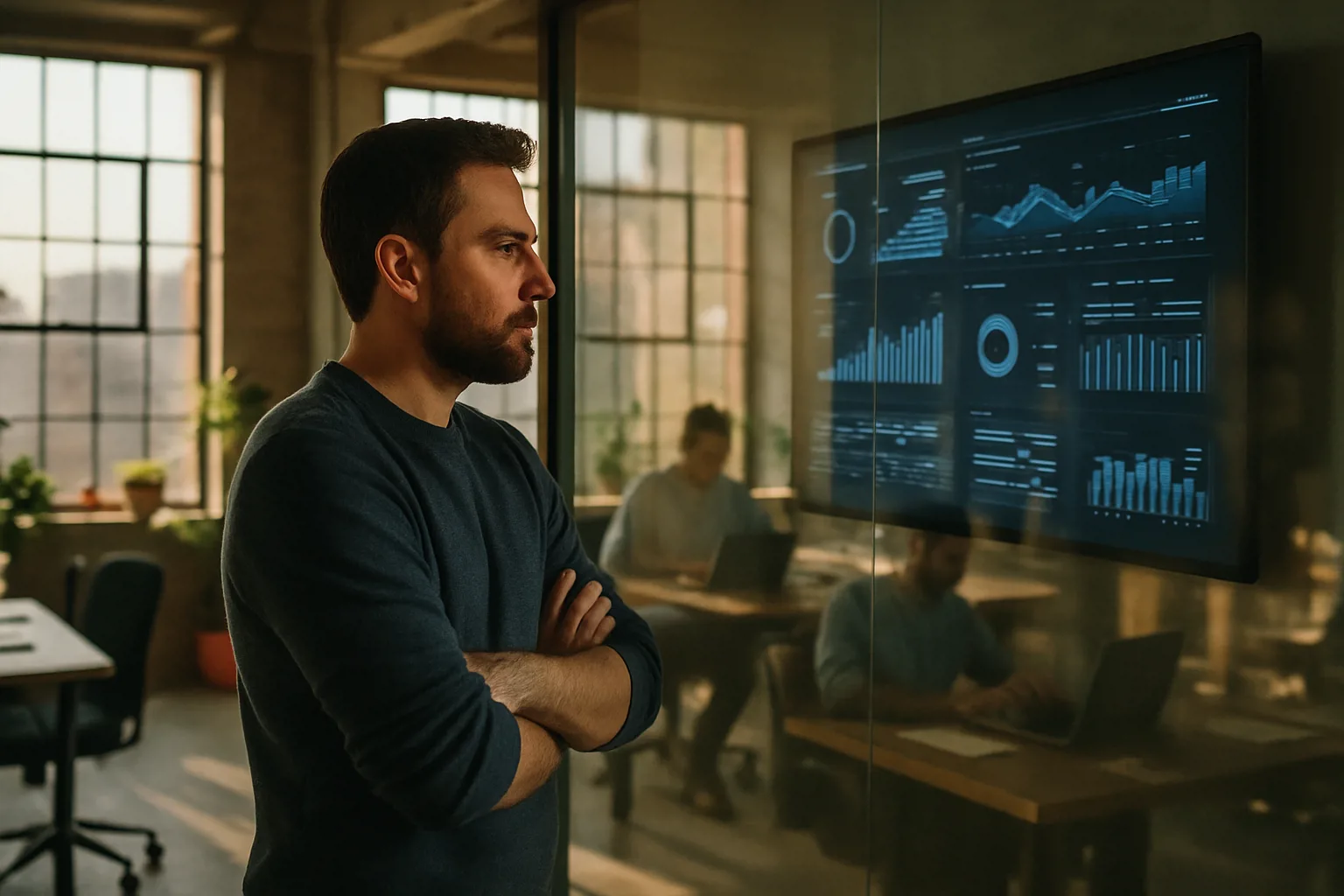
Forbes has spotlighted seven technology trends set to reshape our world by 2027—from AI safety to wearable interfaces and soaring energy needs. Here’s what businesses and individuals need to know to stay ahead in this fast-evolving landscape.
- AI advancements demand urgent action on safety, ethics, and regulation.
- Synthetic content and deepfakes are transforming the information landscape.
- Energy innovation is critical as tech power needs skyrocket.
- Human adaptation and reskilling are essential for thriving in a tech-driven future.
The technological landscape is advancing at breakneck speed, and according to Forbes, seven breakthrough trends will have a profound impact by 2027. From the rise of embodied AI to the urgent need for new energy solutions, these shifts will shape how we work, communicate, and live. The time to adapt isn't in the future—it's now.
AI Safety and Ethics: Addressing Existential Risks
Artificial intelligence is evolving rapidly, opening doors to unprecedented innovation but also introducing new threats. A recent statement by Evan Hubinger of Anthropic estimated a 10% probability of AI posing existential risks to humanity. This stark figure is prompting international conversations—and action—around AI regulation and oversight.
- Governments and organizations are racing to establish frameworks that govern AI development.
- Global cooperation is critical to setting universal safety standards.
- Companies are investing in AI alignment research to ensure systems act in accordance with human values.
“AI safety is no longer a theoretical issue; it’s a practical challenge that will shape our future.”
Ignoring these risks could have irreversible consequences. Forward-thinking leaders must prioritize ethical guidelines and robust testing protocols when adopting AI solutions.
Synthetic Content & Deepfakes: Navigating a New Information Era
The proliferation of AI-generated content—from hyper-realistic deepfakes to fabricated news—has made it increasingly difficult to distinguish fact from fiction. This trend is particularly disruptive for sectors like education, journalism, and national security, where information integrity is paramount.
Strategies to Counter Synthetic Content
- Implement advanced detection tools that can identify manipulated media.
- Educate teams on recognizing and reporting suspicious content.
- Collaborate with trusted fact-checking organizations.
For businesses, maintaining credibility means investing in verification mechanisms and transparent communication practices.
Embodied AI & The Integration Into Physical Systems
AI is no longer confined to code and data centers; it’s being integrated into physical systems like humanoid robots and autonomous vehicles. This transformation is redefining industries from manufacturing to healthcare—and even national defense, where AI-powered autonomous weapons present new ethical challenges.
| Embodied AI Application | Key Opportunity | Major Concern |
|---|---|---|
| Humanoid Robots | Automated caregiving, logistics | Job displacement, ethical treatment |
| Autonomous Vehicles | Safer, more efficient transport | Decision-making in emergencies |
| Autonomous Weapons | Increased defense capability | Independent lethal decision-making |
Organizations must weigh the benefits of automation against ethical responsibilities and societal impacts.
Adapting Human Skills and Interfaces for the Tech Leap
Technology’s rapid evolution is pressing societies to adapt at every level. Universal basic income, large-scale reskilling, and a renewed focus on human-centric skills like creativity and emotional intelligence are gaining traction. Meanwhile, user interfaces are evolving beyond screens.
Beyond Screens: The Next Generation of Interfaces
Wearables, smart glasses, and advanced voice assistants are redefining how we interact with technology. This year alone, smart glasses sales surged 167%, signaling a shift towards more immersive and seamless experiences. Businesses that embrace these new interfaces will stand out in crowded markets.
- Wearables: Real-time health monitoring and productivity tools
- Smart Glasses: Augmented reality overlays for hands-free work
- Voice Assistants: Enhanced accessibility and efficiency
Energy Innovation: Powering the Next Tech Revolution
As computing power requirements soar—driven by AI and next-gen systems—the need for new energy solutions is reaching a tipping point. Research into small modular reactors and orbital power plants is accelerating, with industry giants like Google already securing future fusion-generated power contracts (though delivery remains years away).
This race for sustainable energy isn’t just environmental—it’s economic. Businesses that invest in greener, scalable energy sources will gain a decisive advantage as costs and regulatory pressures mount.
The Business Imperative: Thriving Amid Transformative Change
The convergence of AI, robotics, next-level interfaces, and energy innovation is fundamentally transforming how businesses operate. Leaders who understand and embrace these trends will:
- Identify new markets and opportunities ahead of competitors
- Protect their brand and customers from synthetic threats
- Empower teams with future-ready skills and tools
- Reduce costs through energy-efficient operations
At Nascode, we help businesses anticipate, adapt, and lead in this era of rapid disruption. Ready to future-proof your organization? Connect with our technology strategists today.
Frequently Asked Questions
Why is AI safety considered such an urgent issue for 2027?
AI safety is critical because advanced AI poses risks ranging from unintentional bias to existential threats, as leading researchers estimate a non-trivial chance of catastrophic outcomes. Proactive regulation and oversight are essential to ensure AI development aligns with human values and safety.
How can businesses protect themselves from synthetic content and deepfakes?
Businesses can invest in AI-powered detection tools, train staff to recognize manipulated content, establish partnerships with fact-checkers, and communicate transparently to maintain trust and credibility.
What are the main challenges with the energy demands of new technologies?
Emerging technologies like AI require vast computing resources, driving up energy consumption. The challenge is to develop and adopt sustainable, scalable energy sources—such as modular reactors and orbital power—to meet these demands without harming the environment.
Sources