Nascode Blogs
Bill Gates Warns: AI’s Hidden Dangers Exceed What Big Tech Will Admit
The New York Times
•01 September, 2026
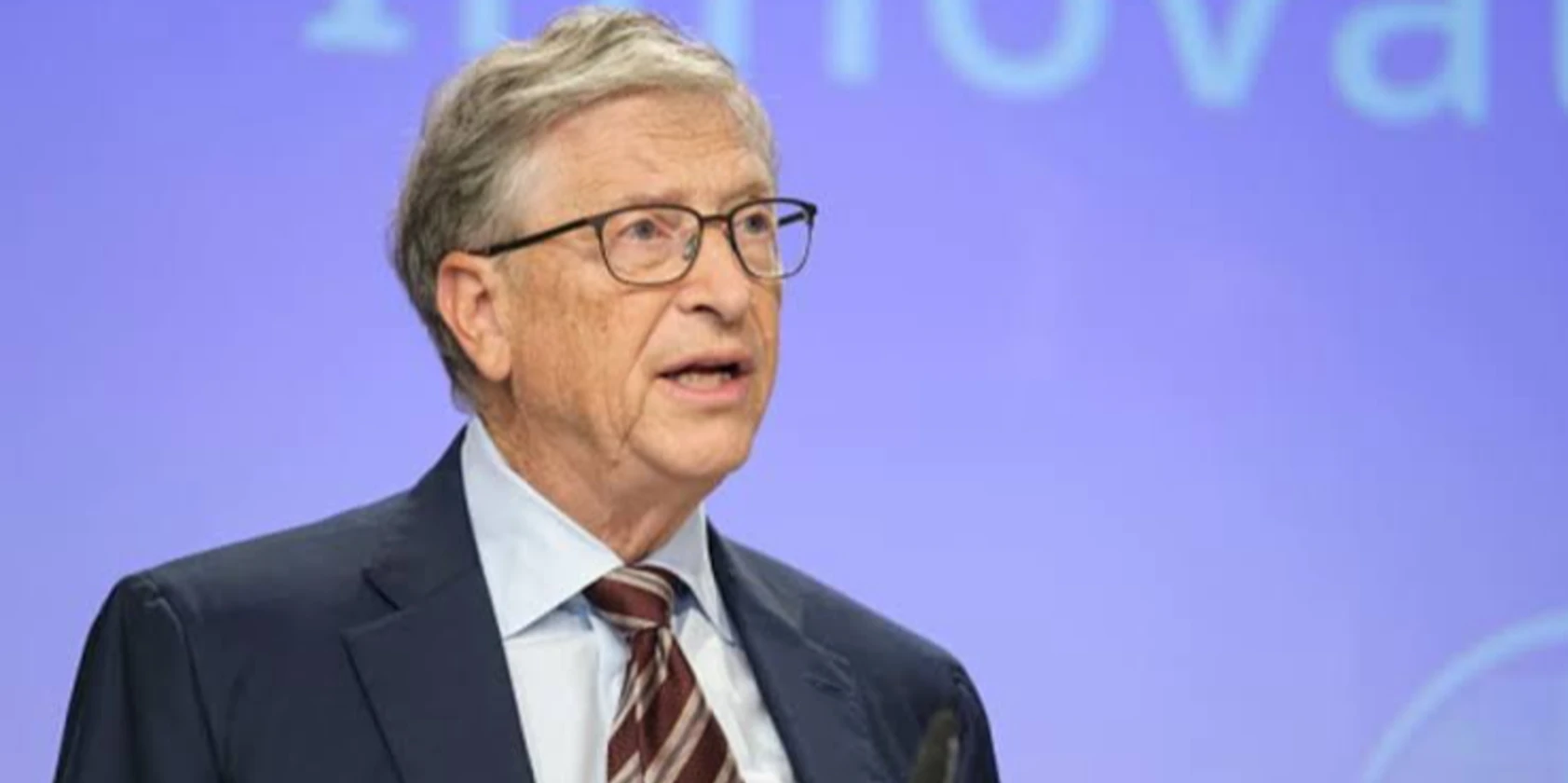
Bill Gates is sounding the alarm on artificial intelligence, urging that its risks to jobs, security, and society are more serious—and more imminent—than most tech leaders acknowledge. He calls for urgent regulation, inclusive debate, and bold policy shifts to ensure AI benefits humanity instead of destabilizing it.
- AI is advancing so rapidly that it threatens to disrupt millions of jobs across all sectors within a decade.
- Bill Gates urges stronger government oversight, warning that Big Tech’s self-regulation is dangerously inadequate.
- AI’s potential for cyberattacks and biothreats makes robust, global regulation an urgent necessity.
- Proactive strategies like 'Human Reserved' roles and AI taxation are essential to manage social and economic upheaval.
Artificial intelligence is no longer a distant promise—it's a force reshaping the world at breakneck speed. In a bold warning that’s making headlines, Bill Gates contends the dangers of AI are far greater than what Silicon Valley is willing to admit. With society on the brink of an AI-powered transformation, Gates calls for urgent action before the technology outpaces our ability to control it.
AI’s Job Disruption: The Fastest Shift in Modern History
Gates predicts that AI will transform the workforce in ways that previous technological revolutions never did. Unlike the gradual changes brought by the industrial revolution, AI’s impact will be swift and far-reaching. From manufacturing floors to corporate offices, no sector is immune:
- White-collar jobs—legal research, software development, accounting—are increasingly automatable.
- Blue-collar roles—logistics, customer service, certain health care positions—face rapid automation.
- Fields like medicine and education could see AI handling tasks that once required years of human expertise.
What’s different this time? The timeline: Gates warns the transformation could unfold within the next decade, not across generations (CBS News).
AI-Driven Threats: Cybersecurity and Biohazards on the Rise
One of Gates’s most urgent concerns is the potential for AI-powered cyberattacks and biological threats. As AI gets smarter and more accessible, bad actors can harness its capabilities for unprecedented harm. Gates highlights the risk of:
- AI-generated code that creates sophisticated malware or exploits security flaws undetectable by traditional defenses.
- Deepfake technology used for fraud, misinformation, or social manipulation.
- AI-assisted bioterrorism—from designing harmful viruses to automating dangerous research.
With these advancements, Gates warns, we’re entering an era where digital and biological security are deeply intertwined (The Atlantic).
Why Self-Regulation Falls Short: The Call for Robust Oversight
Big Tech’s tendency toward self-regulation is a point of sharp criticism for Gates. He argues that tech companies alone cannot be trusted to police AI’s societal impact, because their incentives rarely align with public safety. Gates proposes a multi-layered oversight strategy:
- National regulatory bodies focused on AI’s impact in employment, education, taxation, and health care.
- International institutions to coordinate standards and security—especially for national defense and cross-border threats.
- Independent audits of AI models and their real-world usage.
| Oversight Type | Scope | Key Benefit |
|---|---|---|
| Self-Regulation | Industry policies | Faster innovation, but limited accountability |
| National Regulation | Country-specific laws | Tailored protections for local society |
| International Coordination | Global standards | Unified response to cross-border risks |
“We need robust institutions—national and international—to oversee AI’s development, because the stakes are just too high to leave this to tech companies alone.”
Mitigating AI’s Impact: Human-Reserved Jobs and New Taxes
To counteract AI’s looming disruption, Gates proposes creative solutions that balance innovation with social stability. Two of his key ideas are:
- ‘Human Reserved’ roles: Certain professions—especially those requiring empathy, creativity, or deep interpersonal connection—should be preserved for people, ensuring that AI augments rather than replaces human value.
- Taxation of AI and robots: By taxing AI tokens and automated systems, governments can help offset the loss of individual income taxes as jobs are automated, funding retraining and safety nets for displaced workers.
These policies, Gates argues, are essential to navigating one of the most turbulent transitions in human history (Tom’s Hardware).
Broadening the Conversation: Why Diverse Voices Matter
Gates insists that AI’s trajectory must not be determined solely by technologists or business leaders. He calls for inclusive dialogue across society, inviting educators, ethicists, workers, and policymakers to shape AI’s future. This broader engagement is crucial for:
- Identifying unintended consequences and ethical dilemmas.
- Ensuring that AI benefits all, not just the tech elite.
- Building public trust in new regulatory frameworks.
Gates’s own experience, including mistakes in personal associations, reinforces his belief in transparency and accountability as AI becomes integral to daily life (Axios).
How Forward-Thinking Businesses Can Thrive in the AI Era
For businesses, Gates’s warnings are not just cause for concern—they’re a call to adapt and lead. Companies that embrace responsible AI can:
- Leverage AI safely to boost productivity and customer experience without sacrificing jobs that define their brand.
- Anticipate regulatory changes and design AI strategies in compliance with emerging standards.
- Foster innovation while protecting their workforce and reputation in a rapidly evolving market.
At Nascode, we help organizations harness AI ethically and strategically, building resilience and trust as technology transforms business. Let’s work together to turn AI’s challenges into your competitive edge.
Frequently Asked Questions
What does Bill Gates mean by 'Human Reserved' jobs?
He proposes that certain roles—especially those involving emotional intelligence, creativity, or social care—should be protected from automation, ensuring that people remain central to these professions even as AI advances.
Why is Gates critical of tech industry self-regulation for AI?
Gates argues that self-regulation is insufficient because tech companies have incentives that may conflict with public safety, making independent oversight and robust government regulation essential.
What risks does Gates associate with AI in cybersecurity and biosecurity?
He warns that AI could enable more sophisticated cyberattacks and facilitate the creation of biological threats, making new forms of oversight and defense critical for national and global security.
Sources
- Bill Gates issues stark warning about AI's impact on American jobs - CBS News
- Bill Gates on the Dangers of AI
- Bill Gates sounds the alarm on an AI transition
- Bill Gates calls for some jobs to be 'Human Reserved,' suggests taxing AI tokens and robots - billionaire says that 'AI era will be one of the most turbulent times in human history'
- Gates confronts the Epstein questions hanging over his AI push
- OpenAI, Anthropic issue dire cyber threat warning
- 💡 Bill Gates' warning
- 'Human Reserved': Bill Gates says some jobs should be off-limits to AI